%20tell%20you%20about%20weight%20loss.png&w=1200&q=75)
Weight Loss
What your genes can (and can't) tell you about weight loss
In April 2026, researchers at the 23andMe Research Institute published a large genetic study in Nature examining why people respond so differently to GLP-1…

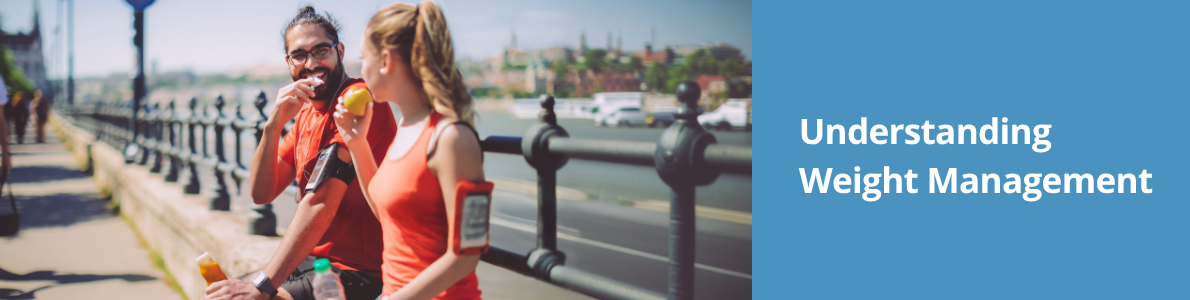
Understanding Weight Management in the UK
Across the UK managing weight has become an important part of overall health, with rising levels of overweight and obesity linked to conditions like type 2 diabetes, heart disease, and certain cancers. The good news is that with the right approach, weight management can feel far more achievable.
Start With the Basics: Lifestyle First
At the core of any successful weight journey is building sustainable habits. The NHS recommends a balanced approach based on the Eatwell Guide, which includes plenty of fruit and vegetables, wholegrain carbohydrates for steady energy, lean sources of protein, and cutting back on saturated fats, salt, and added sugars. Movement also plays a key role. Aiming for at least 150 minutes of moderate activity each week, such as walking, cycling or swimming, can make a meaningful difference over time.
Support Is Available
You don’t have to do it alone. Across the UK, structured weight management support is available, including behavioural coaching to help build better habits, personalised dietary advice, psychological support where needed, and guidance from healthcare professionals such as clinicians and dietitians. This kind of support can often be the difference between short-term results and long-term success.
When Lifestyle Changes Aren’t Enough
For some people, lifestyle changes alone may not be enough to achieve or maintain a healthy weight. In these cases, additional support may be considered under clinical supervision. This can include treatments such as Orlistat, Liraglutide (Saxenda), Semaglutide (Wegovy), and Tirzepatide (Mounjaro). These treatments work best when combined with healthy habits and ongoing support, rather than as a standalone solution.
Other Options for Long-Term Support
In more complex cases, further interventions may be explored. Bariatric procedures, such as gastric bypass or sleeve surgery, may be considered for individuals with severe obesity when other approaches haven’t been effective. These are carried out in specialist settings with long-term follow-up care.
The Rise of Digital Support
More people are now using digital tools to stay on track. Apps, fitness trackers and online coaching platforms can help you monitor your progress, build consistent habits, and stay accountable. The NHS also offers a 12-week Digital Weight Management Programme for eligible individuals, particularly those with conditions such as type 2 diabetes or high blood pressure.
A Sustainable Approach Wins
There’s no quick fix when it comes to weight management. The most effective approach combines consistent, balanced nutrition, regular physical activity, behavioural support, and additional treatments where appropriate. Focusing on small, sustainable changes over time is what leads to real, lasting results.
If you feel you may benefit from additional support, speaking to a clinician can help you explore safe and appropriate options as part of a wider weight management plan.
If you are interested in weight loss support you can start a consultation here.
In April 2026, researchers at the 23andMe Research Institute published a large genetic study in Nature examining why people respond so differently to GLP-1…
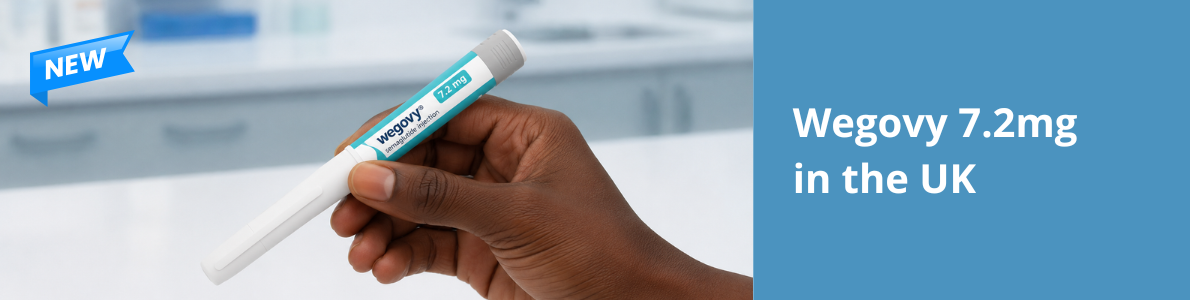
For many people using Wegovy, reaching the standard maintenance dose of 2.4mg can lead to significant weight loss and improvements in overall health. However,…
.png&w=1200&q=75)
How to Store Your GLP-1 Pen Safely Storing your Mounjaro pen correctly helps keep your treatment safe, effective, and ready when you need it. Before first use…